Gateway toSikkim & Darjeeling — Gateway to Sikkim (Gangtok, Kalimpong & Darjeeling)
The classic Eastern Himalayan route uniting Gangtok’s monastic heights, Kalimpong’s quiet flower nurseries, and Darjeeling’s world-famous tea estates.
Best for
Families & Honeymooners, Heritage Hill Station Explorers
Duration
5 Nights / 6 Days
Season
Mar–Jun, Oct–Dec
Difficulty
Easy
Vibe
Orchid Nurseries, Colonial Hill Charm
Visual Archive · India
The classic Eastern Himalayan route uniting Gangtok’s monastic heights, Kalimpong’s quiet flower nurseries, and Darjeeling’s world-famous tea estates.
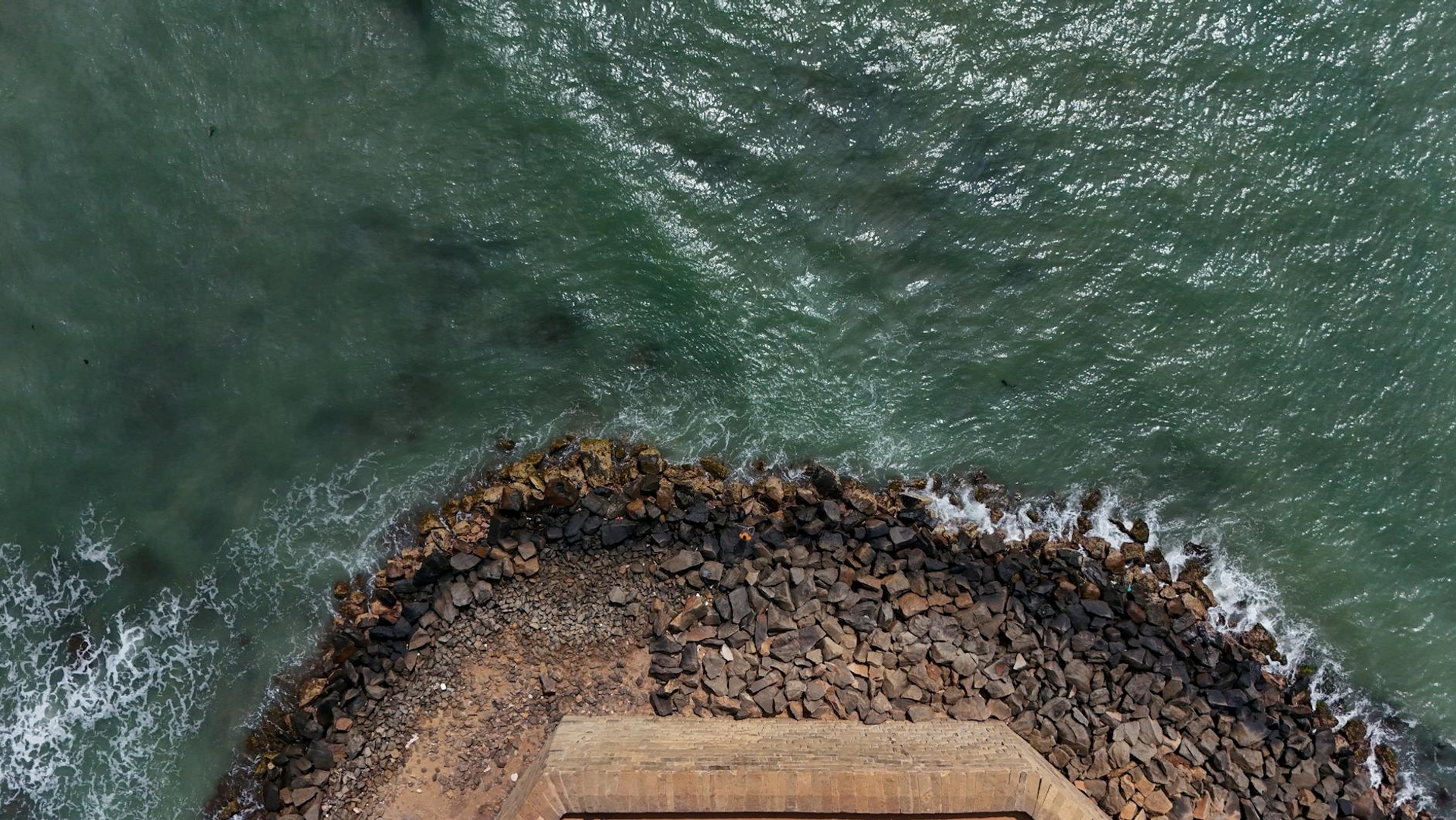
Gateway to Sikkim & Darjeeling
5 Nights / 6 Days, From ₹23,999
per person
A Tibro Journey
From glacial heights at Tsomgo Lake to the timeless orchid nurseries of Kalimpong and misty tea hills of Darjeeling.
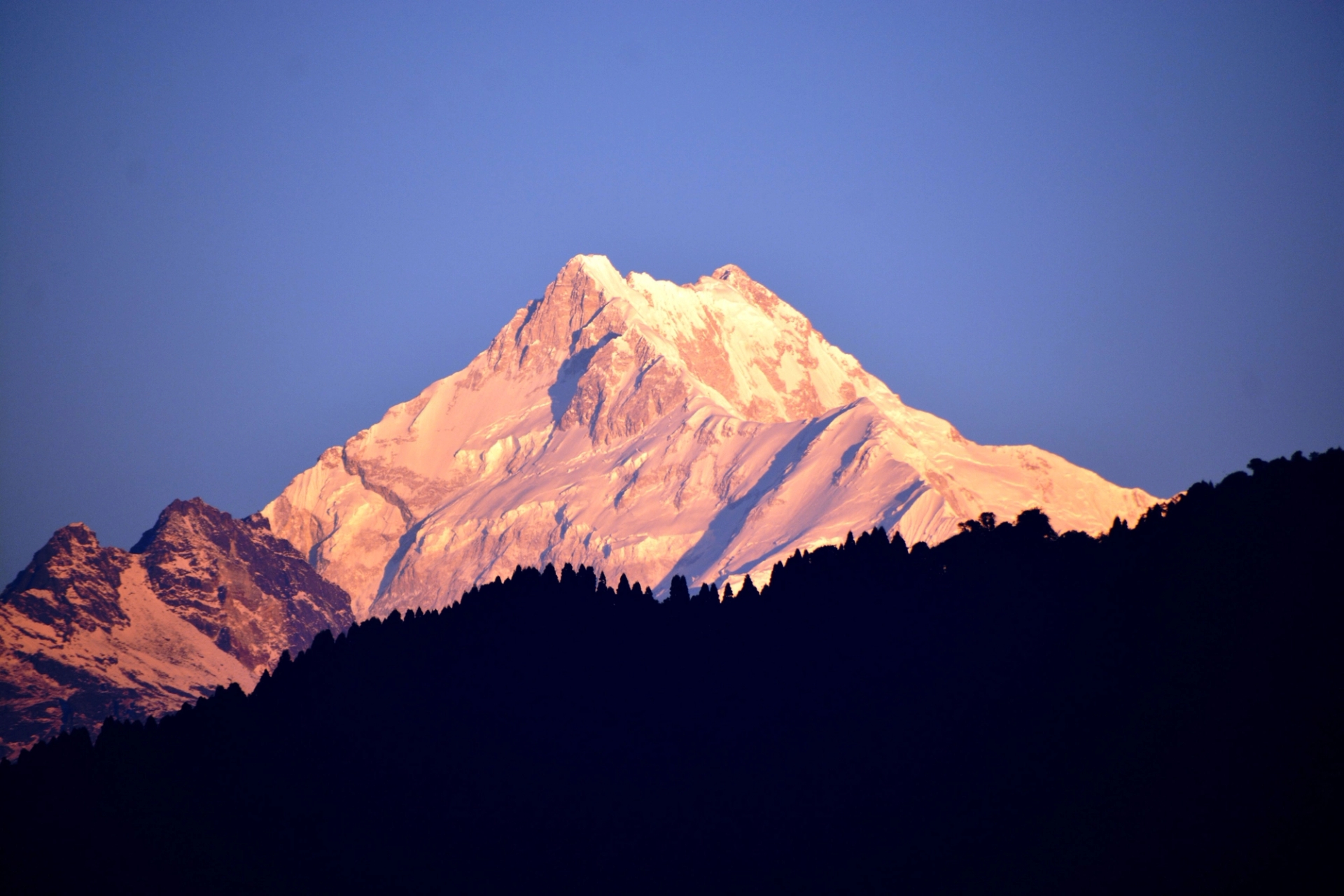
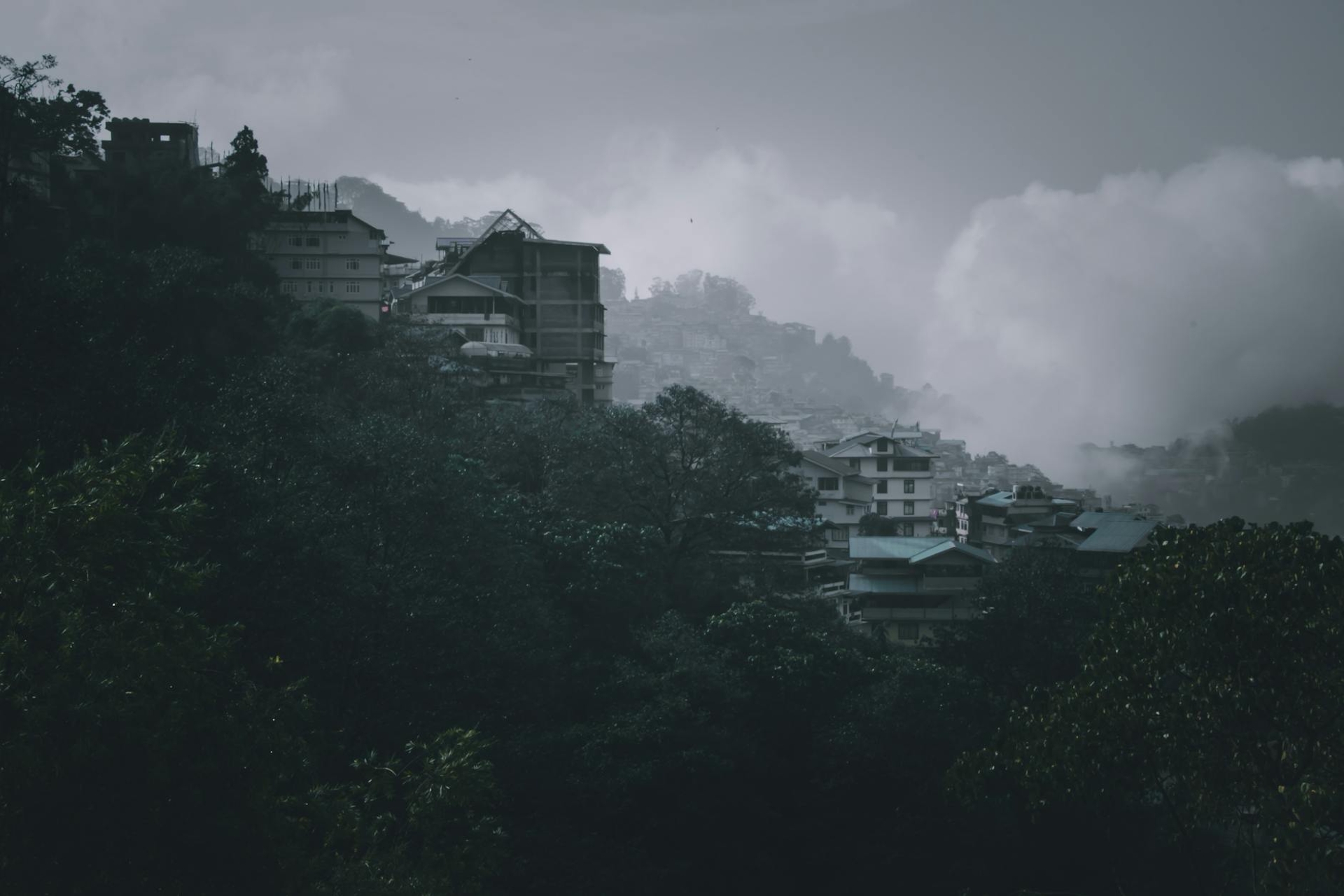
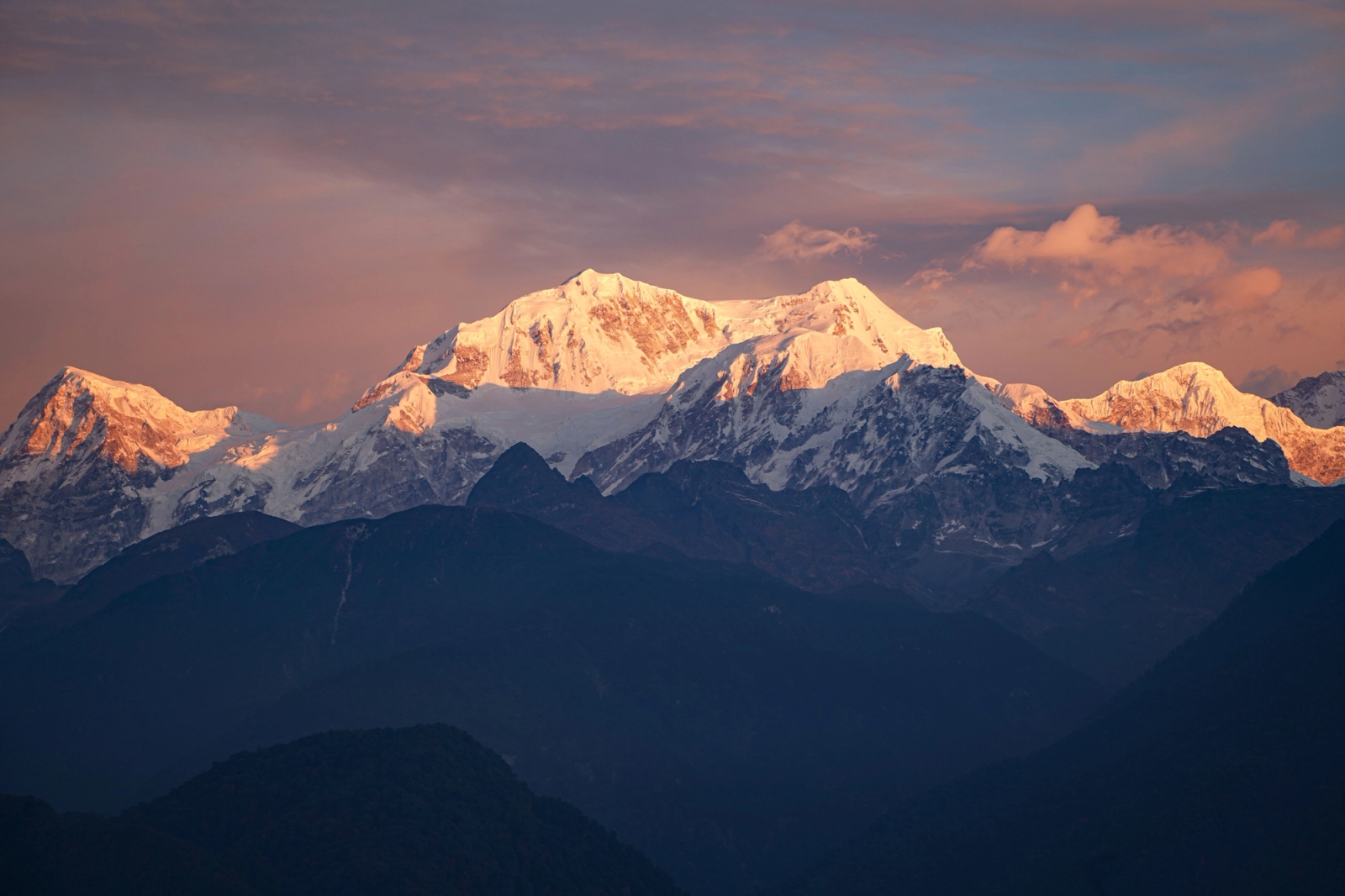
Ideal for travelers seeking the best of the Eastern Himalayas without strenuous travel times. Stay in Gangtok for panoramic valley vistas and high-altitude excursions to Tsomgo Lake. Drift across the ridge to Kalimpong, famous for exotic orchids, British-era schools, and views of Mount Kanchenjunga from Deolo Hill. Complete your circuit in Darjeeling with legendary first-flush tea gardens and dawn at Tiger Hill.
Signature Moments
Three Mornings You'll Remember
No. 01
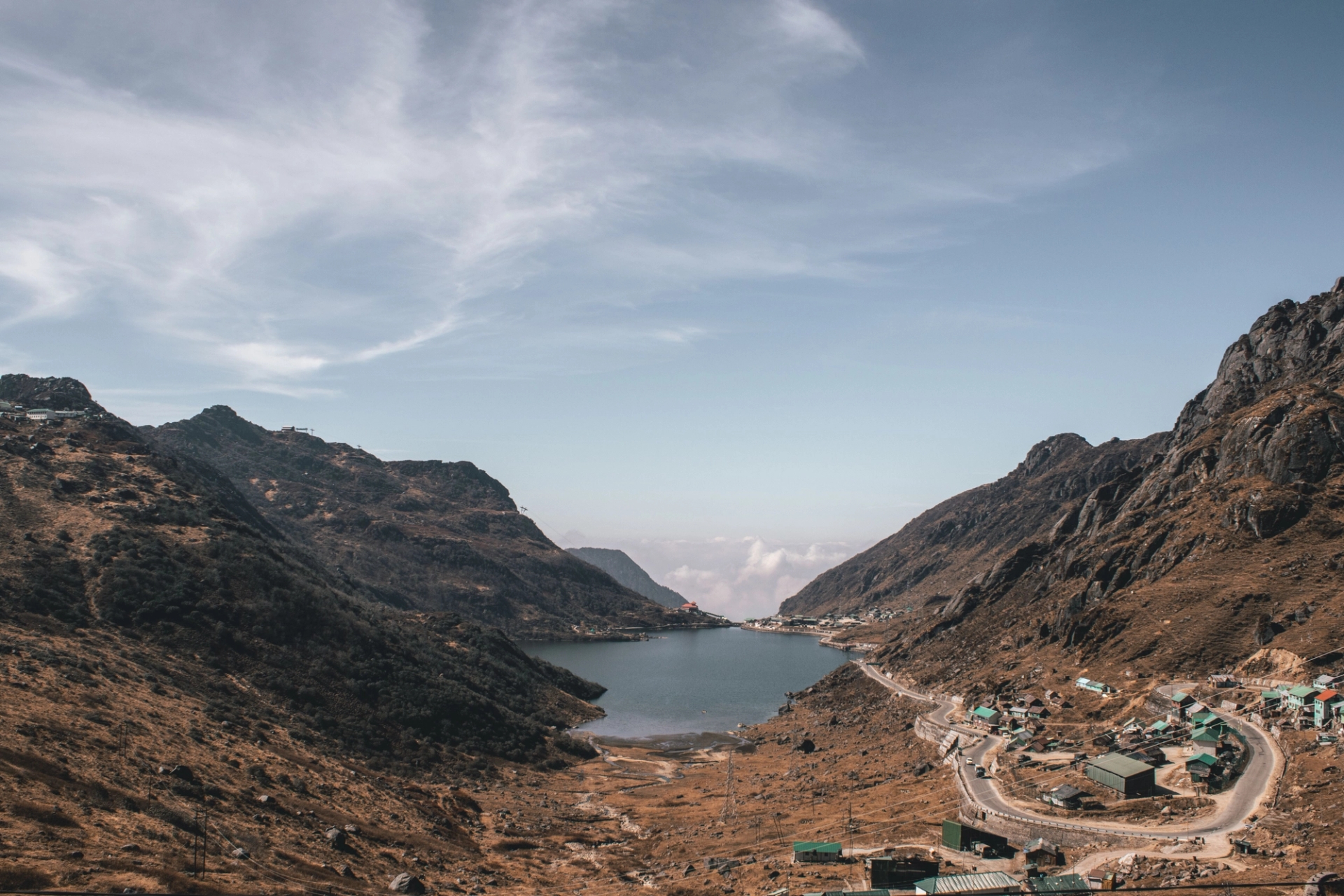
Tsomgo Glacial Lake & Baba Mandir
Ascend to 12,400 ft to see the sacred high-altitude alpine lake framed by snow-covered peaks.
No. 02
Kalimpong Exotic Flower Nurseries & Deolo Hill
Explore world-renowned cacti, gladioli, and orchid nurseries and panoramic views from Kalimpong’s highest point.
No. 03
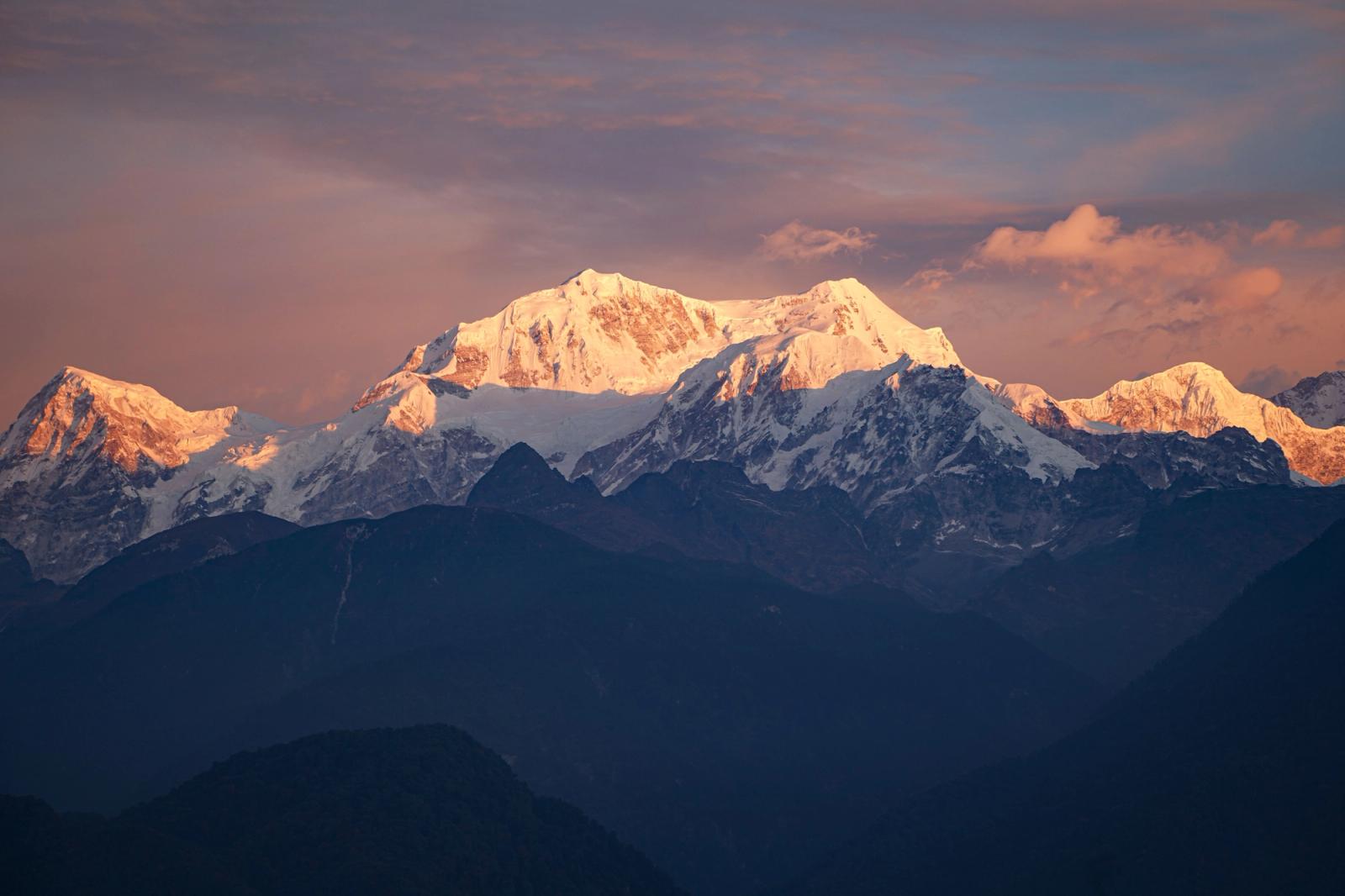
Tiger Hill Sunrise & Darjeeling Himalayan Railway
Wake early for the dramatic dawn illuminating Mt. Kanchenjunga and Mt. Everest, followed by tea garden walks.
Day by Day
5 Nights / 6 Days, in order
Day 1
Arrival Bagdogra / Njp — Mountain Drive to Gangtok
Arrive at Bagdogra Airport (IXB) or New Jalpaiguri (NJP). Meet your chauffeur for a scenic drive along the Teesta River up into the hills of Gangtok. Check in, relax, and savor dinner.
Day 2
Tsomgo Glacial Lake & New Baba Mandir Excursion
Embark on an excursion to Tsomgo Lake (Changgu), set amidst high Himalayan ridges. Continue to New Baba Mandir honoring sepoy Harbhajan Singh. Return to Gangtok for an evening stroll on MG Marg.
Day 3
Gangtok Half-Day Tour — Transfer to Kalimpong
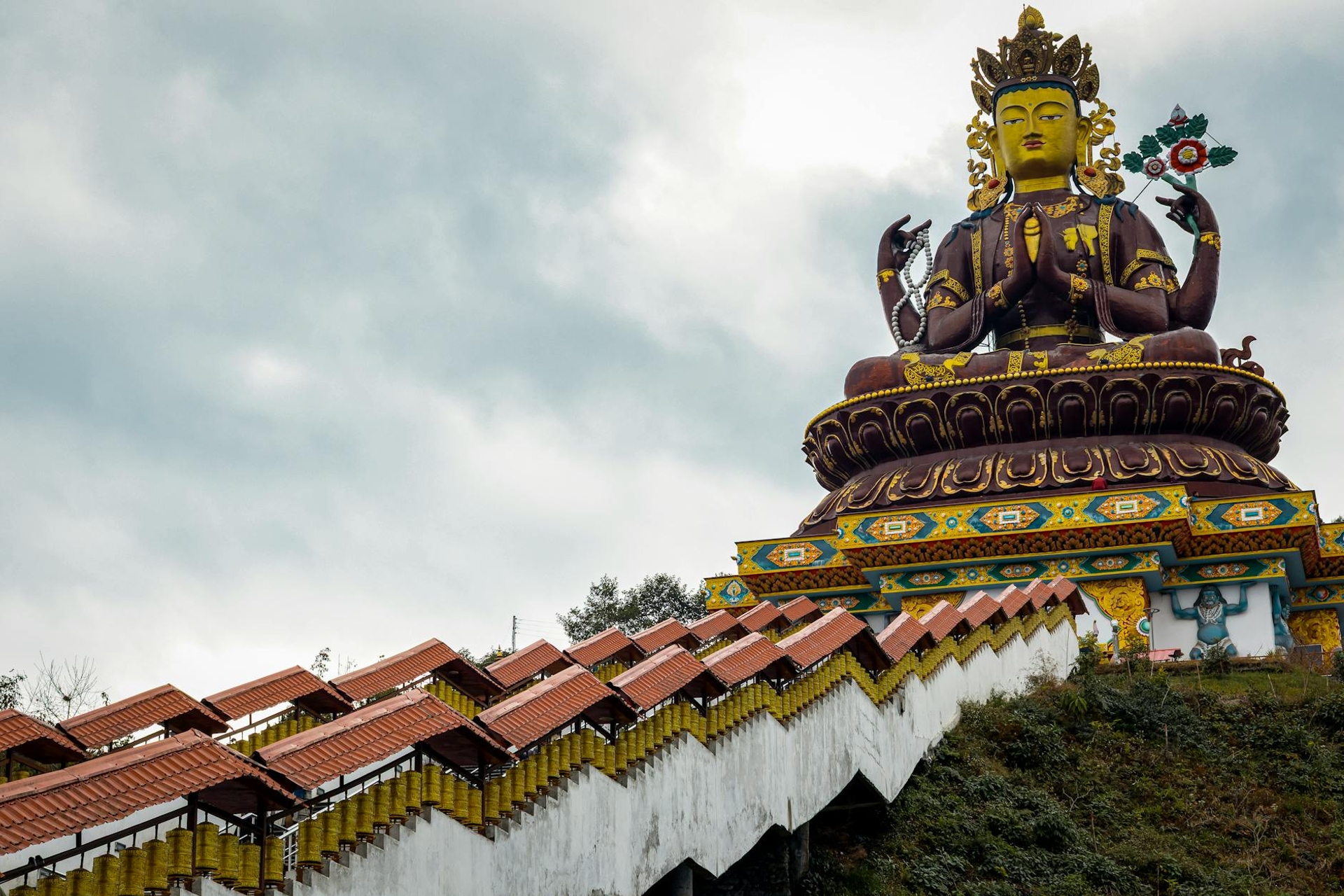
Visit The Orchidarium, Handicraft & Handloom Directorate, Do-drul Chorten, and Tibetology Institute. Transfer through lush river valleys to the peaceful hill town of Kalimpong. Dinner at your hotel.
Day 4
Kalimpong Sightseeing — Transfer to Darjeeling
Discover Deolo Hills, famous Pine View Flower Nursery, panoramic Golf Course, and Zang Dhok Palri Phodang monastery. Continue onwards to Darjeeling. Check in and overnight stay.
Day 5
Tiger Hill Sunrise, Himalayan Mountaineering Institute & Tea Estate
At 4:00 AM, ascend to Tiger Hill for sunrise over Kanchenjunga. After breakfast, visit the Himalayan Mountaineering Institute, Padmaja Naidu Himalayan Zoological Park, Japanese Peace Pagoda, and a historic tea estate.
Day 6
Darjeeling to Bagdogra / Njp Departure
Breakfast with panoramic mountain views. Check out and drive down the foothills to Bagdogra Airport or NJP station for your return journey.
Where You'll Stay
Hand-Picked Hotels
Gangtok
Hotel on request
Kalimpong
Hotel on request
Darjeeling
Hotel on request
Gangtok
Hotel on request
Kalimpong
Hotel on request
Darjeeling
Hotel on request
Honestly
Things most travel sites won't tell you.
On-the-ground details your designer wishes every guest knew before they landed.
Things to Look Out For
India is not one country, climate-wise
Rajasthan in February reads dry-cold; Kerala in February reads humid-warm; Sikkim in February might be under snow. Pack for the specific itinerary, not 'India in general'. Tibro's per-state tours are tuned to one climate at a time. Don't try to chain three of them back-to-back.
Tipping is structured, not arbitrary
Driver tips at ₹500-1000 per day, guide tips at ₹500-1000 per half-day, hotel housekeeping ₹100 per day, restaurant 10% on top of any service charge already listed. Hand the driver/guide an envelope on the last day rather than tipping daily. It is more dignified for them.
Tap water and ice are a real consideration
Every Tibro-tier hotel provides sealed bottled water in the room daily. Use it for brushing your teeth too. At restaurants, ask for "sealed bottled water" specifically. Some places will pour from a filtered jug, which is fine in some kitchens and not in others. Ice is the hidden trap; ask for "no ice" with cold drinks unless the hotel makes its own.
- №1
India is not one country, climate-wise
Rajasthan in February reads dry-cold; Kerala in February reads humid-warm; Sikkim in February might be under snow. Pack for the specific itinerary, not 'India in general'. Tibro's per-state tours are tuned to one climate at a time. Don't try to chain three of them back-to-back.
- №2
Tipping is structured, not arbitrary
Driver tips at ₹500-1000 per day, guide tips at ₹500-1000 per half-day, hotel housekeeping ₹100 per day, restaurant 10% on top of any service charge already listed. Hand the driver/guide an envelope on the last day rather than tipping daily. It is more dignified for them.
- №3
Tap water and ice are a real consideration
Every Tibro-tier hotel provides sealed bottled water in the room daily. Use it for brushing your teeth too. At restaurants, ask for "sealed bottled water" specifically. Some places will pour from a filtered jug, which is fine in some kitchens and not in others. Ice is the hidden trap; ask for "no ice" with cold drinks unless the hotel makes its own.
The Details
What's Included
Included
- 5 nights luxury accommodation on twin-sharing basis
- Daily breakfast and dinner at selected hotels
- Private AC / mountain vehicle for all transfers and sightseeing
- Permits and entry passes for Tsomgo Lake and Baba Mandir
- Tolls, parking, driver allowance, and state taxes
Not Included
- Airfare / Train tickets
- 5% GST
- Monument entrance charges and optional activities
Plan Your Timing
When to Go
India is too large for a single calendar, but three broad windows hold. October to March is the cool, dry season — the headline stretch for most of the subcontinent, from the Rajasthan forts to the Kerala backwaters. April to June is hot, and in the northern plains genuinely dangerous. July to September is the southwest monsoon.
The exceptions matter as much as the rule. The Himalayan high country — Ladakh, Spiti, upper Himachal — inverts it completely and is only open May to September. Kashmir peaks in summer, Sikkim in spring and autumn, and Tamil Nadu takes its rain from the northeast monsoon in October and November. Each itinerary carries its own regional calendar.
Enquire
Start the conversation.
Tell us your dates and preferences. A Tibro travel designer will respond within 24 hours.