Best ofSikkim & Darjeeling — Best of Sikkim (with Darjeeling)
The essential Eastern Himalayan trio: Gangtok’s glacial lakes, Pelling’s skywalk, and Darjeeling’s world-famous sunrise.
Best for
Couples & Families, Himalayan Sunrise Watchers
Duration
6 Nights / 7 Days
Season
Mar–Jun, Oct–Dec
Difficulty
Easy–Moderate
Vibe
Glacial Lakes, Kanchenjunga Dawn
Visual Archive · India
The essential Eastern Himalayan trio: Gangtok’s glacial lakes, Pelling’s skywalk, and Darjeeling’s world-famous sunrise.
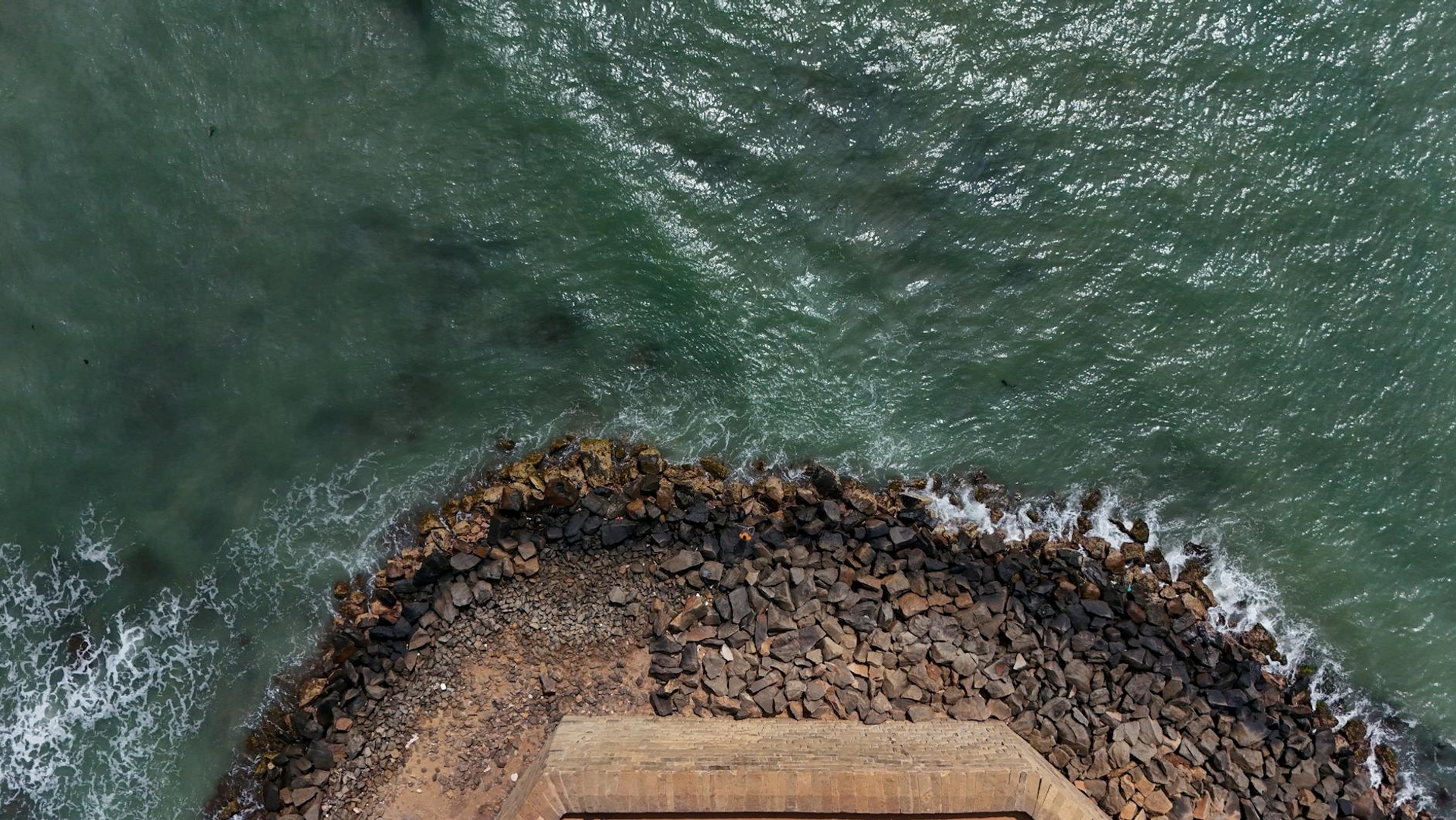
Best of Sikkim & Darjeeling
6 Nights / 7 Days, From ₹28,550
per person
A Tibro Journey
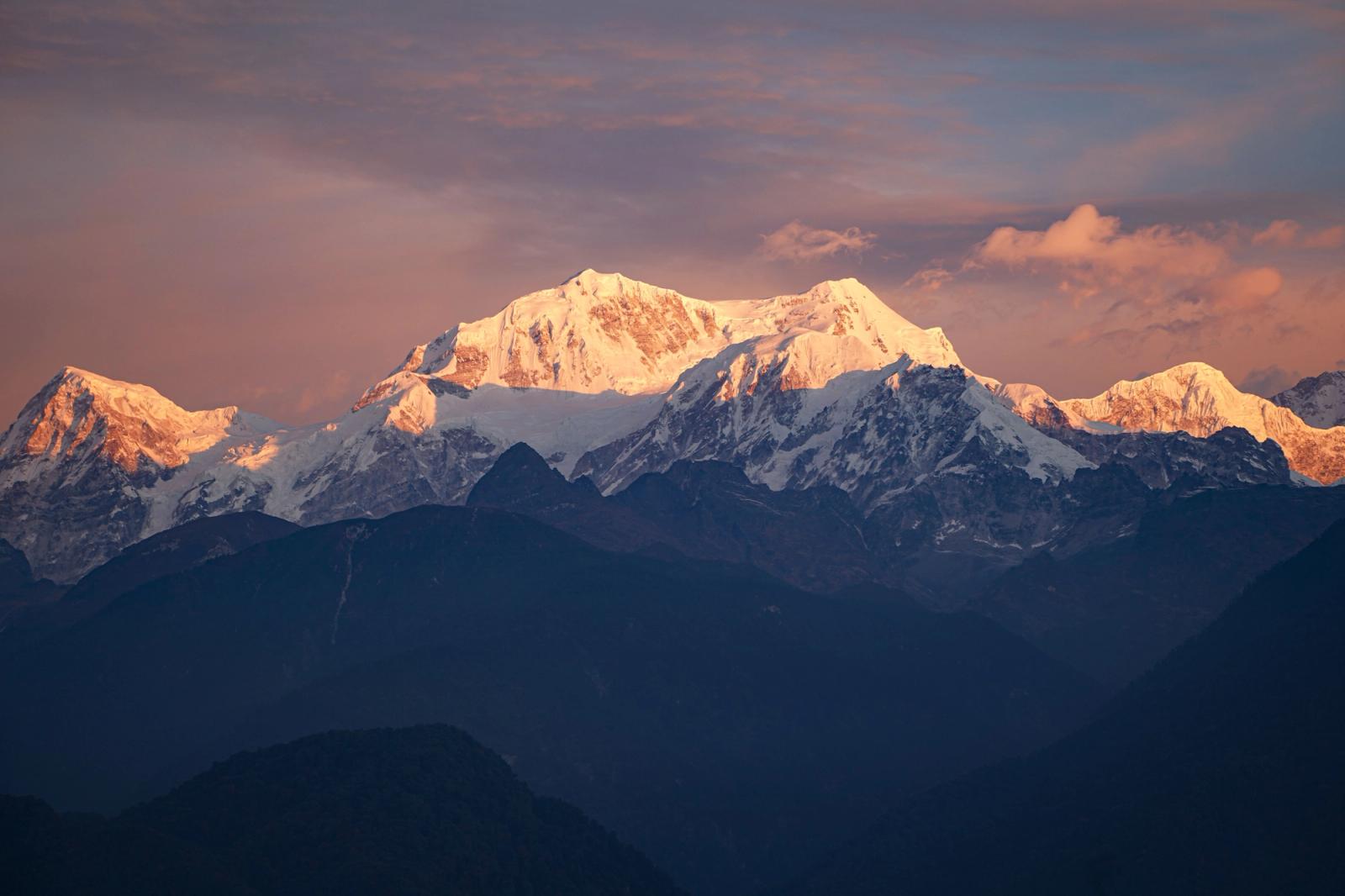
Watch first light set Kanchenjunga ablaze from Tiger Hill, walk above alpine valleys on Pelling’s glass skywalk, and witness frozen prayer-flagged lakes in Gangtok.
This 6-night private journey captures the definitive highlights of the Eastern Himalayas. Begin in Gangtok with an excursion to high-altitude Tsomgo Lake and sacred Baba Mandir at 13,100 ft. Continue westward to Pelling, where ancient monasteries like Pemayangtse and the iconic Chenrezig Glass Skywalk overlook deep valleys and the snow-draped Kanchenjunga massif. Conclude in the colonial hill queen of Darjeeling with early morning tea overlooking Tiger Hill’s world-renowned sunrise.
Signature Moments
Three Mornings You'll Remember
No. 01
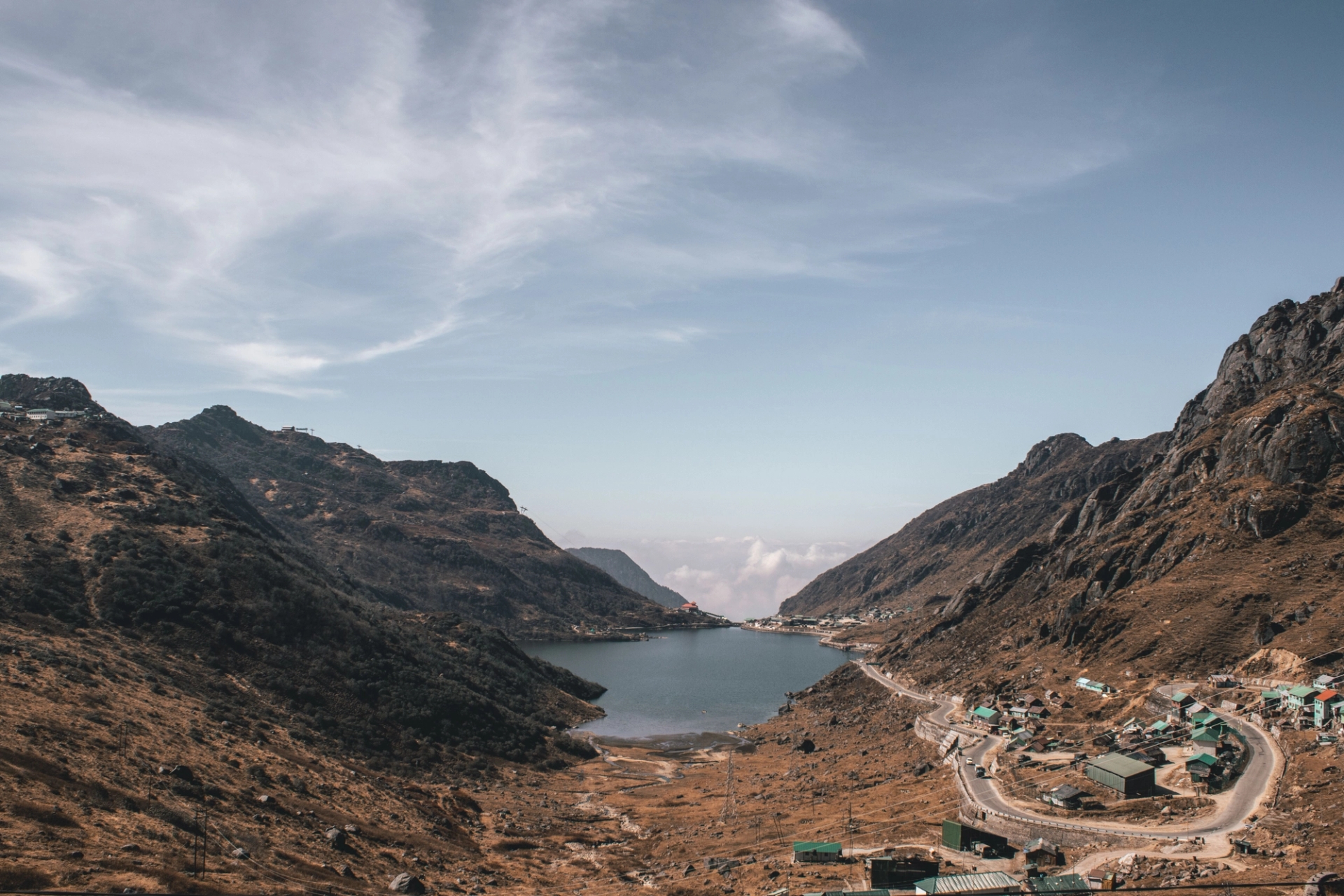
Tsomgo Glacial Lake (12,400 ft)
Breathtaking high-altitude lake surrounded by rugged alpine peaks, sacred legends, and colorful prayer flags.
No. 02
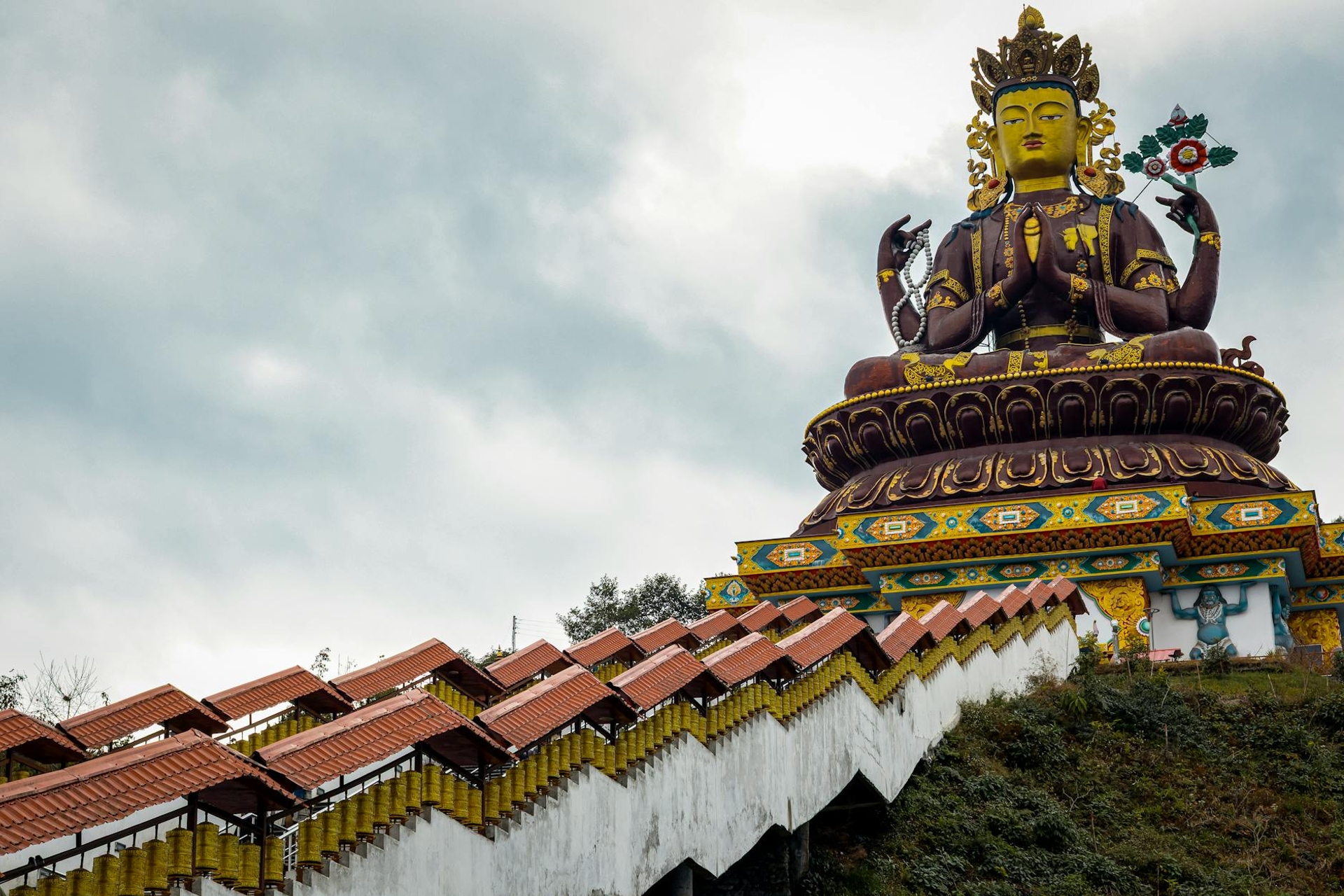
Pelling Glass Skywalk & Chenrezig Colossus
Walk on clear glass suspended above the Himalayas facing the massive 137 ft Chenrezig Buddha statue.
No. 03
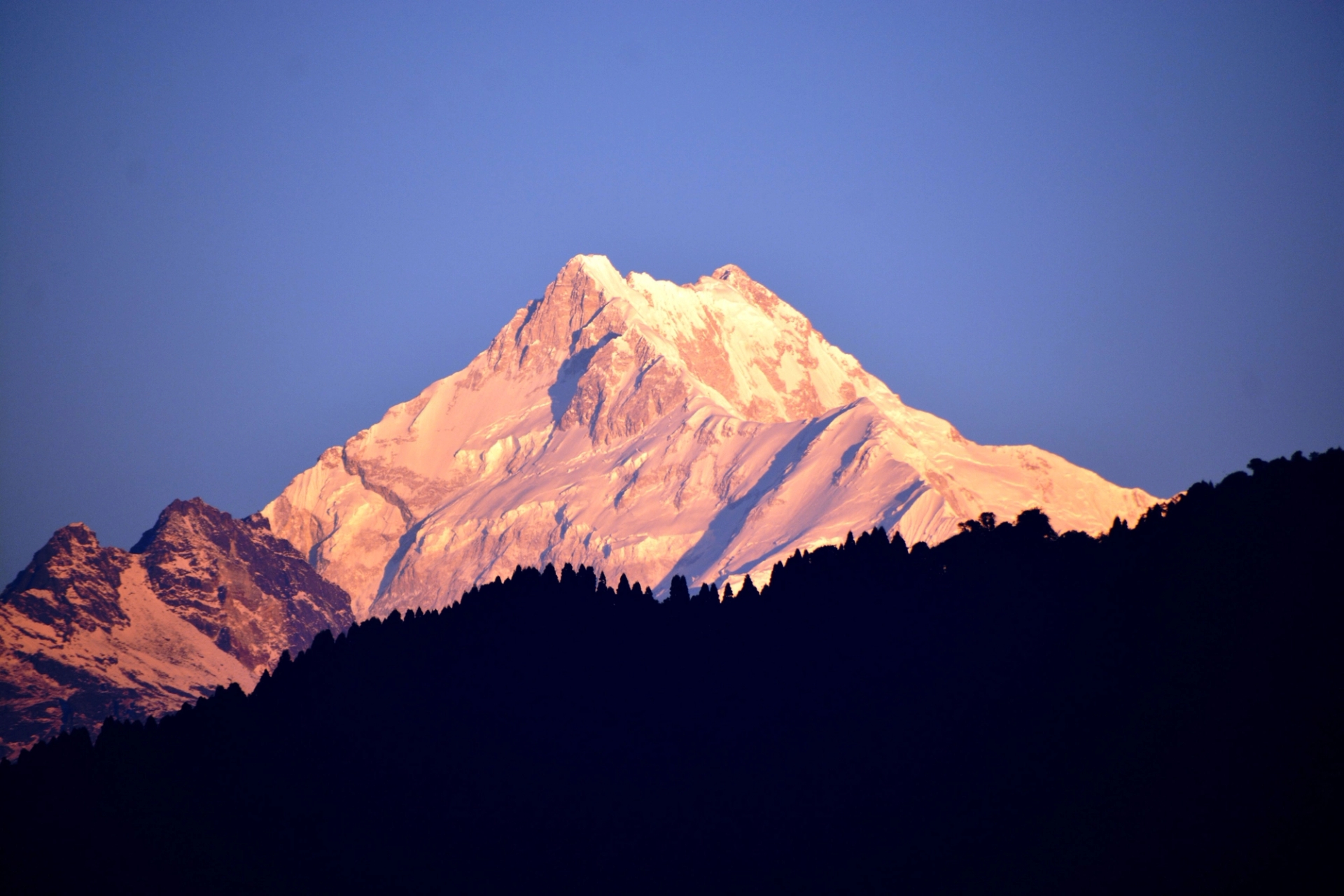
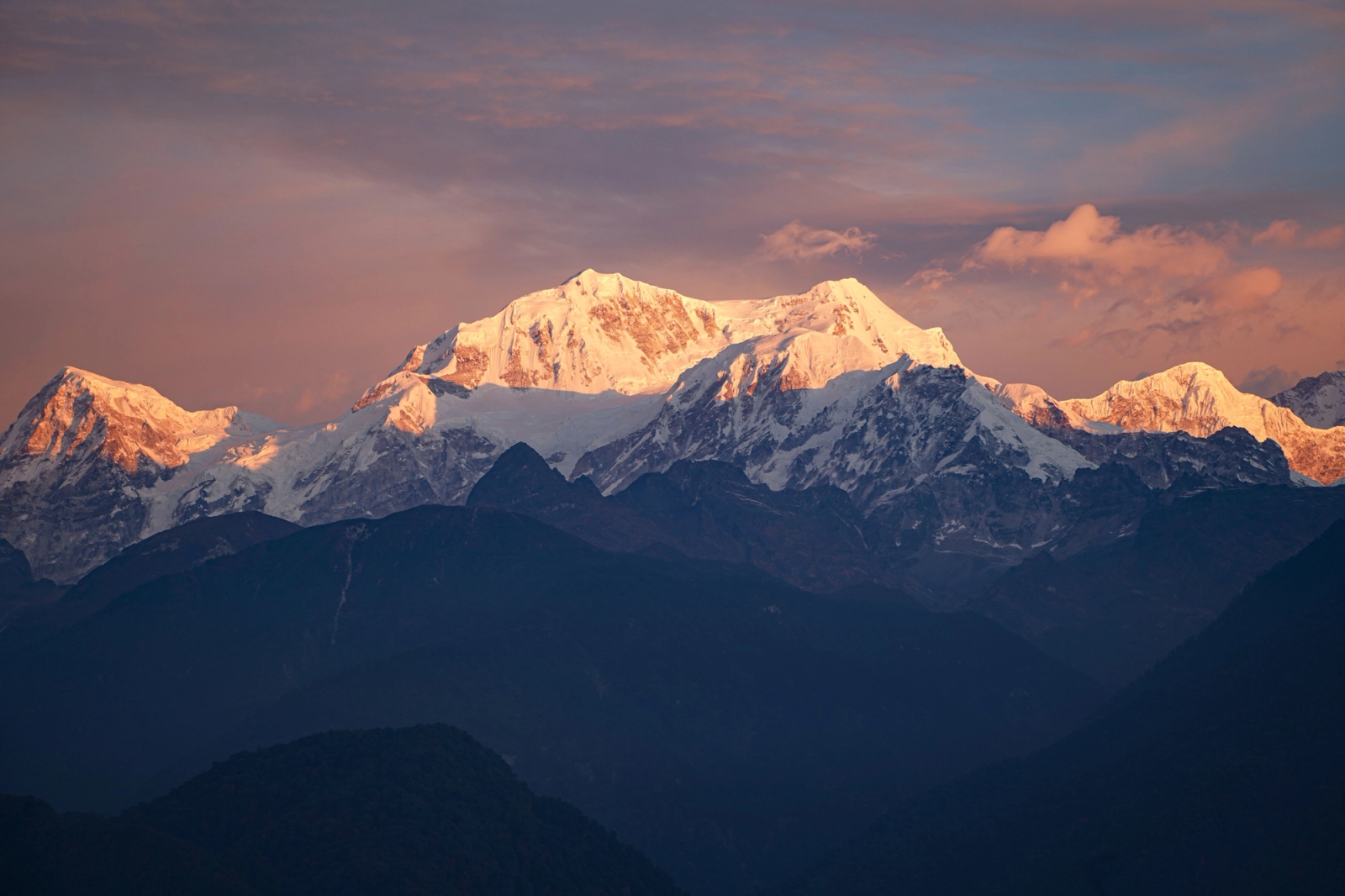
Tiger Hill Sunrise over Kanchenjunga
Witness the morning sun paint the world’s third-highest peak from deep violet to dazzling golden pink.
Day by Day
6 Nights / 7 Days, in order
Day 1
Arrival Bagdogra / Njp — Scenic Drive to Gangtok
Meet and greet at Bagdogra Airport (IXB) or New Jalpaiguri (NJP). Board your dedicated private vehicle for a picturesque 4–5 hour mountain drive following the emerald Teesta river up to Gangtok. Check in at your luxury hotel, unwind, and enjoy dinner.
Day 2
Excursion to Sacred Tsomgo Lake & New Baba Mandir
After breakfast, ascend through misty mountain roads to glacial Tsomgo (Changgu) Lake at 12,400 ft, often frozen in winter and surrounded by snowscapes. Continue onward to the revered New Baba Mandir at 13,100 ft. Return to Gangtok for dinner and overnight stay.
Day 3
Gangtok Sightseeing — Transfer to Pelling Via Ravangla Buddha Park
Explore Gangtok: The Orchidarium Flower Show, Directorate of Handicraft & Handloom, Do-drul Chorten, Institute of Tibetology, and Banjhakari Falls. Scenic transfer to Pelling (optional stop at Ravangla Buddha Park facing Mt. Pandim). Dinner and overnight stay in Pelling.
Day 4
Pelling Local Sightseeing — Monasteries, Waterfalls & Glass Skywalk
Full day exploring historic West Sikkim: 300-year-old Pemayangtse Monastery, Chenrezig Statue, and Sikkim Glass Skywalk. Afternoon visits to sacred wish-fulfilling Khecheopalri Lake, Rimbi Waterfalls, and the roaring Kanchenjunga Falls.
Day 5
Pelling to Darjeeling — Optional Detour to Namchi Char Dham
Scenic journey from Pelling across mountain ridges to the heritage tea capital of Darjeeling. Optional detour to Namchi’s Samdruptse Hill (Padmasambhava colossus) and Siddhesvara Dham. Check in at your Darjeeling heritage hotel.
Day 6
Tiger Hill Sunrise, Himalayan Mountaineering Institute & Tea Estate
Early morning 4:00 AM drive to Tiger Hill (8,482 ft) to witness the sunrise illuminations over Mt. Kanchenjunga. Visit Ghoom Monastery and Batasia Loop. After breakfast, visit the Himalayan Mountaineering Institute, Padmaja Naidu Himalayan Zoo (home to Red Pandas), Peace Pagoda, and panoramic tea estates.
Day 7
Darjeeling — Departure to Bagdogra / Njp
Relish a leisurely breakfast with fresh Darjeeling tea. Transfer down the winding hill road to Bagdogra Airport or New Jalpaiguri Railway Station for your flight/train home.
Where You'll Stay
Hand-Picked Hotels
Gangtok
Hotel on request
Pelling
Hotel on request
Darjeeling
Hotel on request
Gangtok
Hotel on request
Pelling
Hotel on request
Darjeeling
Hotel on request
Honestly
Things most travel sites won't tell you.
On-the-ground details your designer wishes every guest knew before they landed.
Things to Look Out For
India is not one country, climate-wise
Rajasthan in February reads dry-cold; Kerala in February reads humid-warm; Sikkim in February might be under snow. Pack for the specific itinerary, not 'India in general'. Tibro's per-state tours are tuned to one climate at a time. Don't try to chain three of them back-to-back.
Tipping is structured, not arbitrary
Driver tips at ₹500-1000 per day, guide tips at ₹500-1000 per half-day, hotel housekeeping ₹100 per day, restaurant 10% on top of any service charge already listed. Hand the driver/guide an envelope on the last day rather than tipping daily. It is more dignified for them.
Tap water and ice are a real consideration
Every Tibro-tier hotel provides sealed bottled water in the room daily. Use it for brushing your teeth too. At restaurants, ask for "sealed bottled water" specifically. Some places will pour from a filtered jug, which is fine in some kitchens and not in others. Ice is the hidden trap; ask for "no ice" with cold drinks unless the hotel makes its own.
- №1
India is not one country, climate-wise
Rajasthan in February reads dry-cold; Kerala in February reads humid-warm; Sikkim in February might be under snow. Pack for the specific itinerary, not 'India in general'. Tibro's per-state tours are tuned to one climate at a time. Don't try to chain three of them back-to-back.
- №2
Tipping is structured, not arbitrary
Driver tips at ₹500-1000 per day, guide tips at ₹500-1000 per half-day, hotel housekeeping ₹100 per day, restaurant 10% on top of any service charge already listed. Hand the driver/guide an envelope on the last day rather than tipping daily. It is more dignified for them.
- №3
Tap water and ice are a real consideration
Every Tibro-tier hotel provides sealed bottled water in the room daily. Use it for brushing your teeth too. At restaurants, ask for "sealed bottled water" specifically. Some places will pour from a filtered jug, which is fine in some kitchens and not in others. Ice is the hidden trap; ask for "no ice" with cold drinks unless the hotel makes its own.
The Details
What's Included
Included
- Pre-tour briefing & daily 24/7 dedicated ground coordinator
- 6 nights accommodation on twin-sharing basis in selected hotel category
- Daily breakfast and lavish dinner at hotel restaurants
- Permits & passes for Tsomgo Lake and Baba Mandir excursions
- All private sightseeing transfers by dedicated mountain vehicle
Not Included
- Airfare / Train tickets to and from Bagdogra / NJP
- 5% GST
- Monument entrance tickets, guide fees, and ropeway joyrides
Plan Your Timing
When to Go
India is too large for a single calendar, but three broad windows hold. October to March is the cool, dry season — the headline stretch for most of the subcontinent, from the Rajasthan forts to the Kerala backwaters. April to June is hot, and in the northern plains genuinely dangerous. July to September is the southwest monsoon.
The exceptions matter as much as the rule. The Himalayan high country — Ladakh, Spiti, upper Himachal — inverts it completely and is only open May to September. Kashmir peaks in summer, Sikkim in spring and autumn, and Tamil Nadu takes its rain from the northeast monsoon in October and November. Each itinerary carries its own regional calendar.
Enquire
Start the conversation.
Tell us your dates and preferences. A Tibro travel designer will respond within 24 hours.