Best ofAssam & Meghalaya — Best of Assam & Meghalaya with Kaziranga Safari
Spot the Great Indian One-Horned Rhino in Kaziranga, chase waterfalls in Cherrapunji, and receive blessings at Kamakhya Temple.
Best for
Wildlife Lovers, Family Explorers
Duration
5 Nights / 6 Days
Season
Nov–Apr
Difficulty
Easy–Moderate
Vibe
One-Horned Rhinos, Kaziranga Jungle Safaris
Visual Archive · India
Spot the Great Indian One-Horned Rhino in Kaziranga, chase waterfalls in Cherrapunji, and receive blessings at Kamakhya Temple.
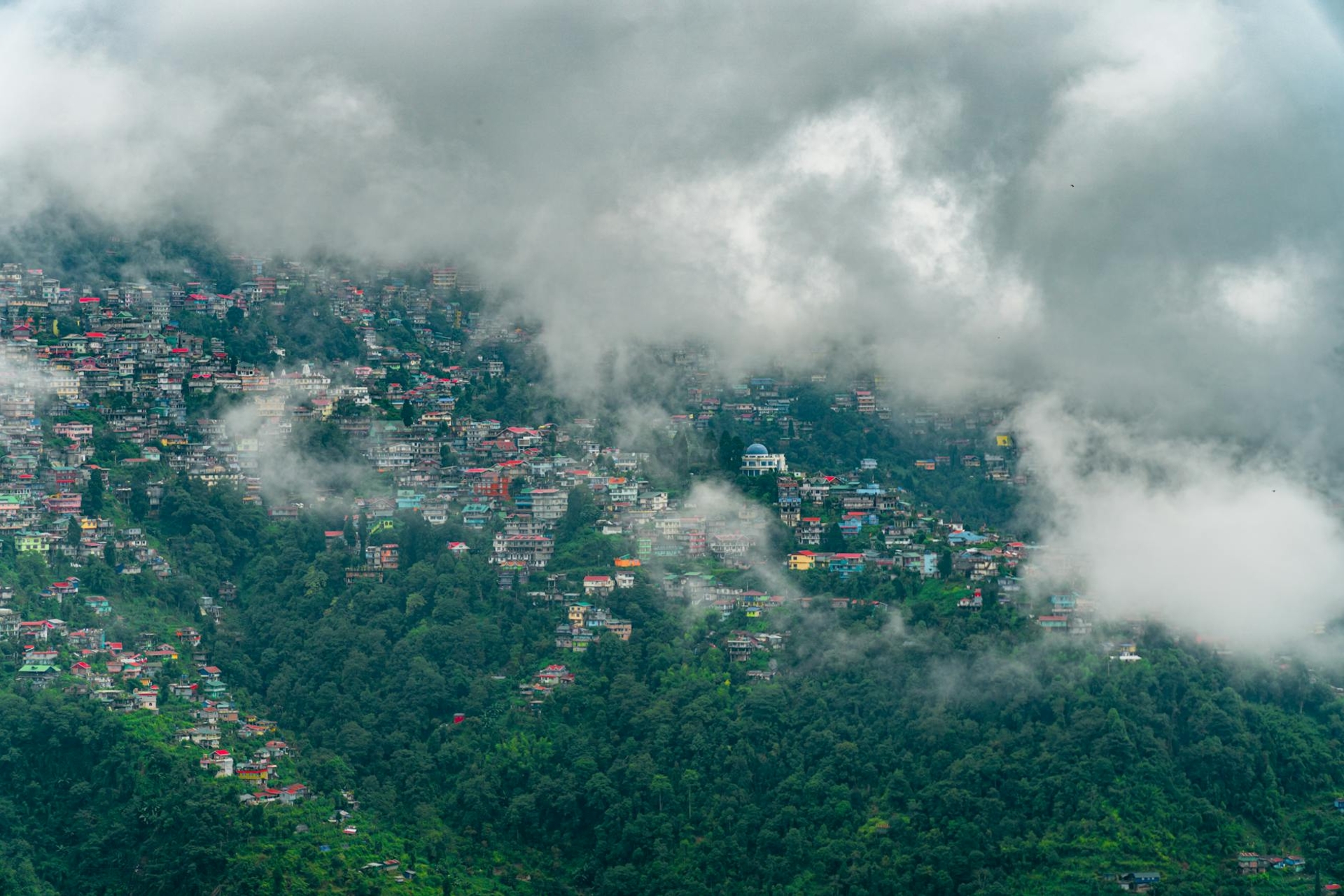
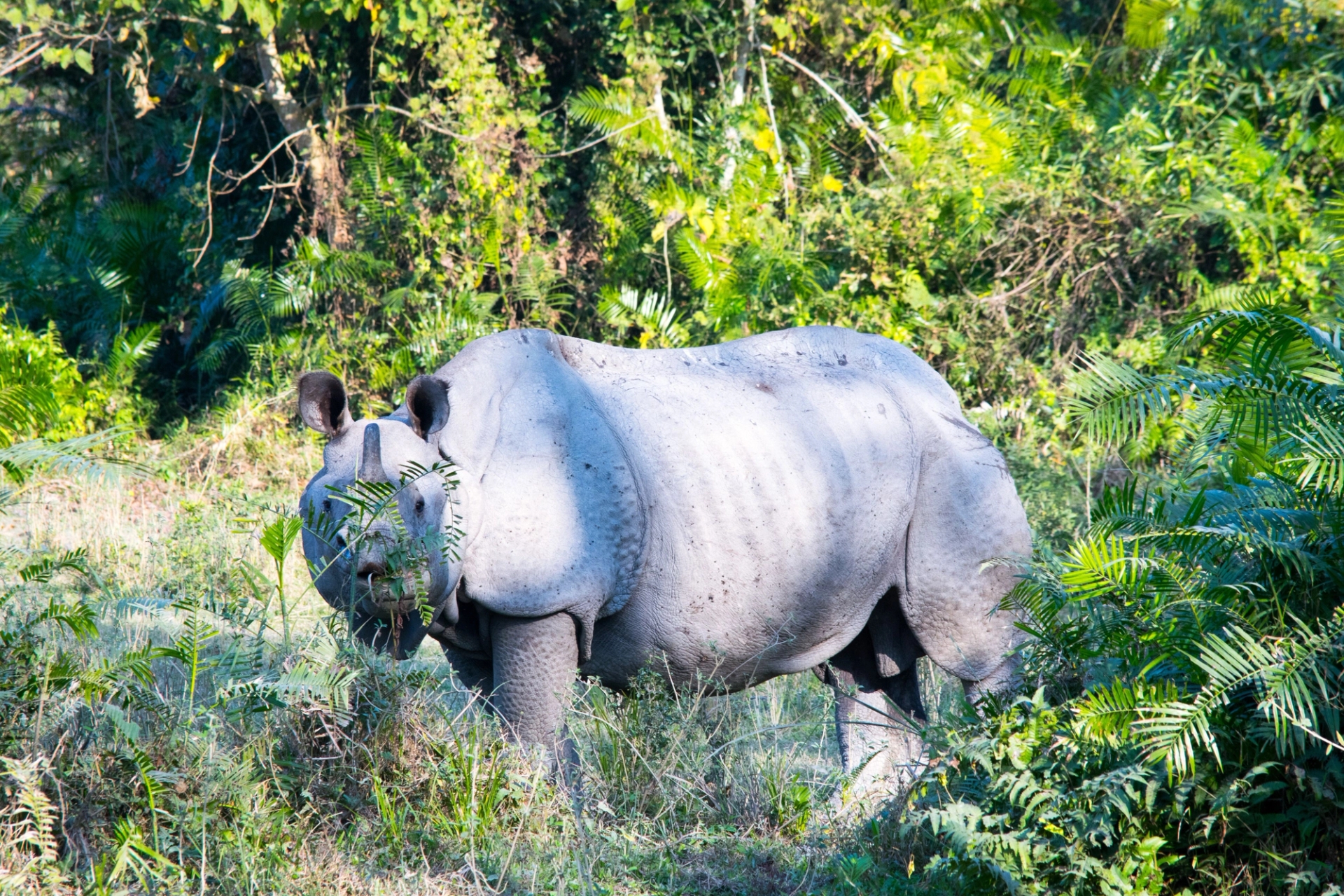
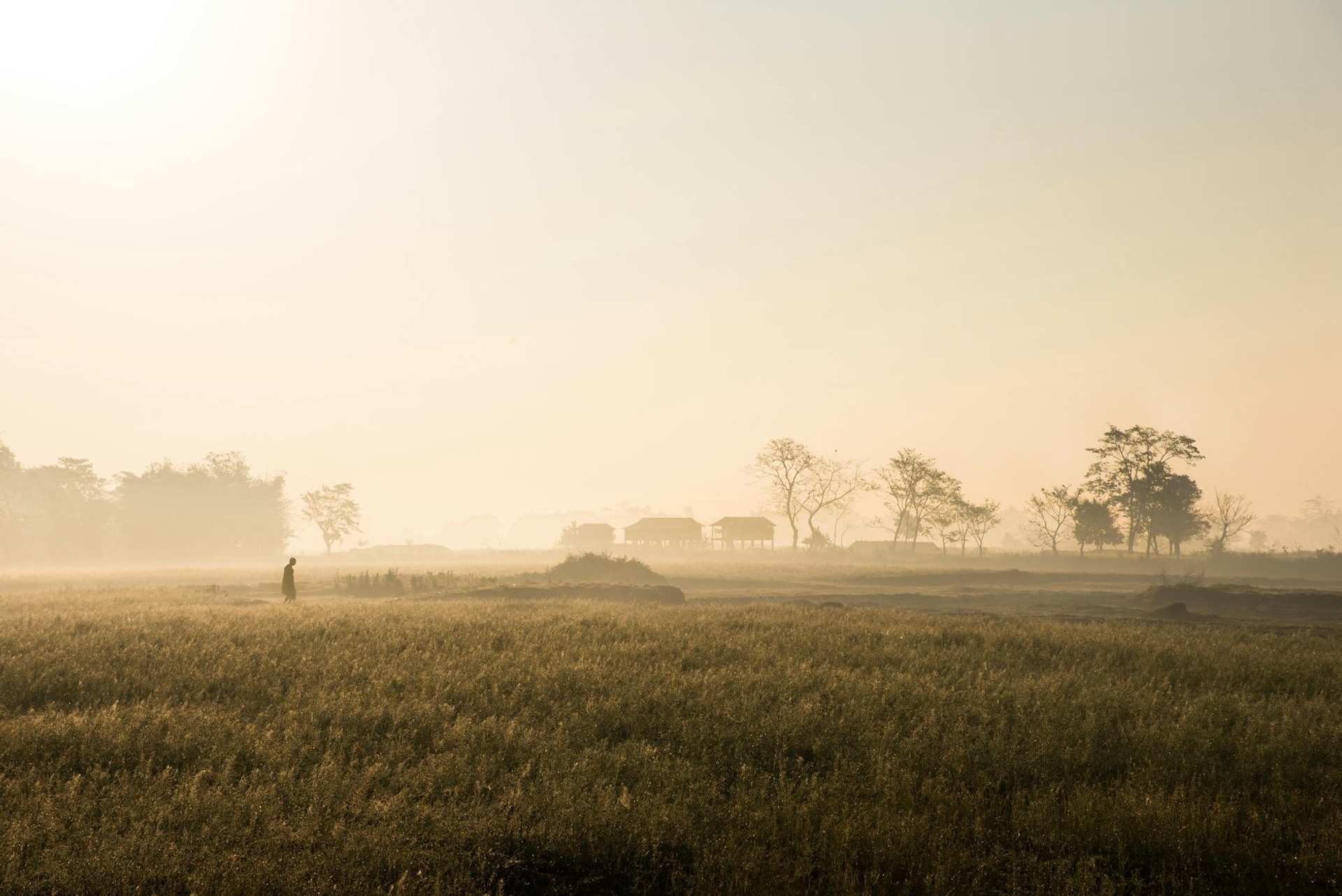
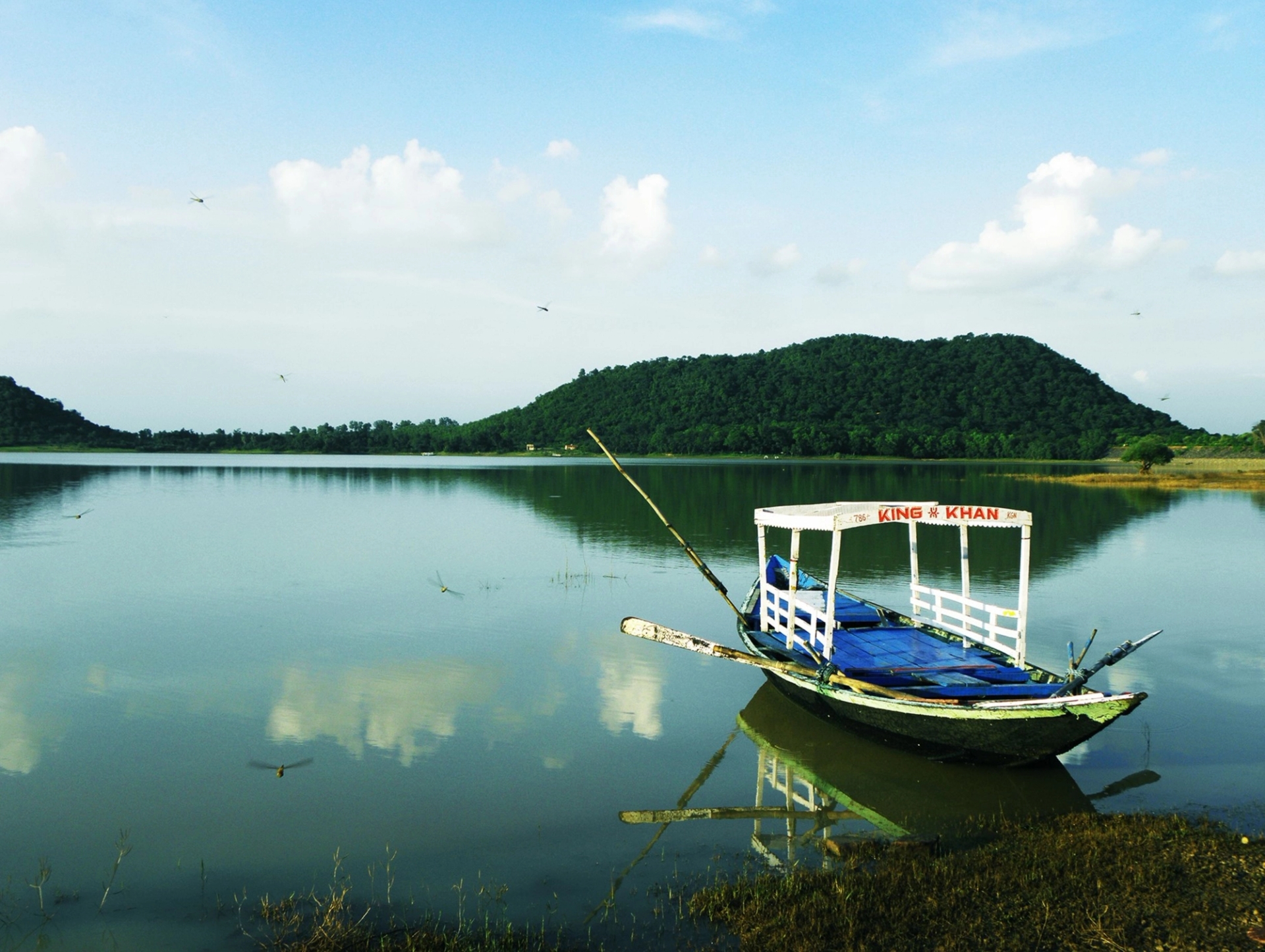
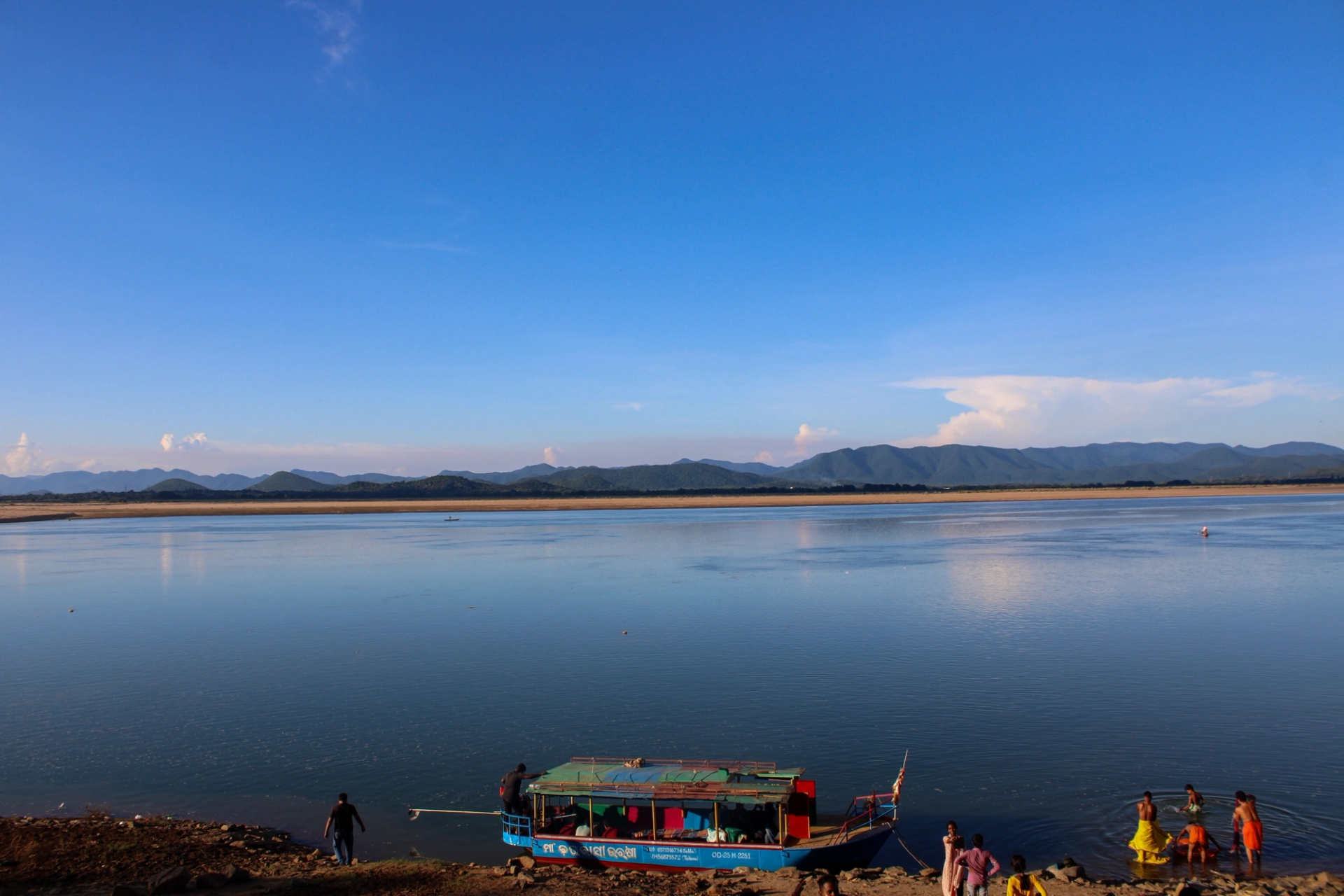
A Tibro Journey
Track wild rhinos through early morning mist in Kaziranga grasslands and breathe in the pristine pine-scented air of Meghalaya’s cloud hills.
This comprehensive North East journey harmonizes two diverse landscapes: the lush hills of Meghalaya and the biodiverse plains of the Brahmaputra in Assam. Experience Shillong and the thunderous waterfalls of Cherrapunjee before venturing into the UNESCO World Heritage grasslands of Kaziranga National Park for private elephant and jeep safaris. Finish in Guwahati with VIP express darshan at the holy Kamakhya Temple atop Nilachal Hill.
Signature Moments
Three Mornings You'll Remember
No. 01
Kaziranga Elephant & Jeep Safaris
Encounter the prehistoric One-Horned Rhinoceros, wild water buffalo, Asiatic elephants, and swamp deer in their natural wild habitat.
No. 02
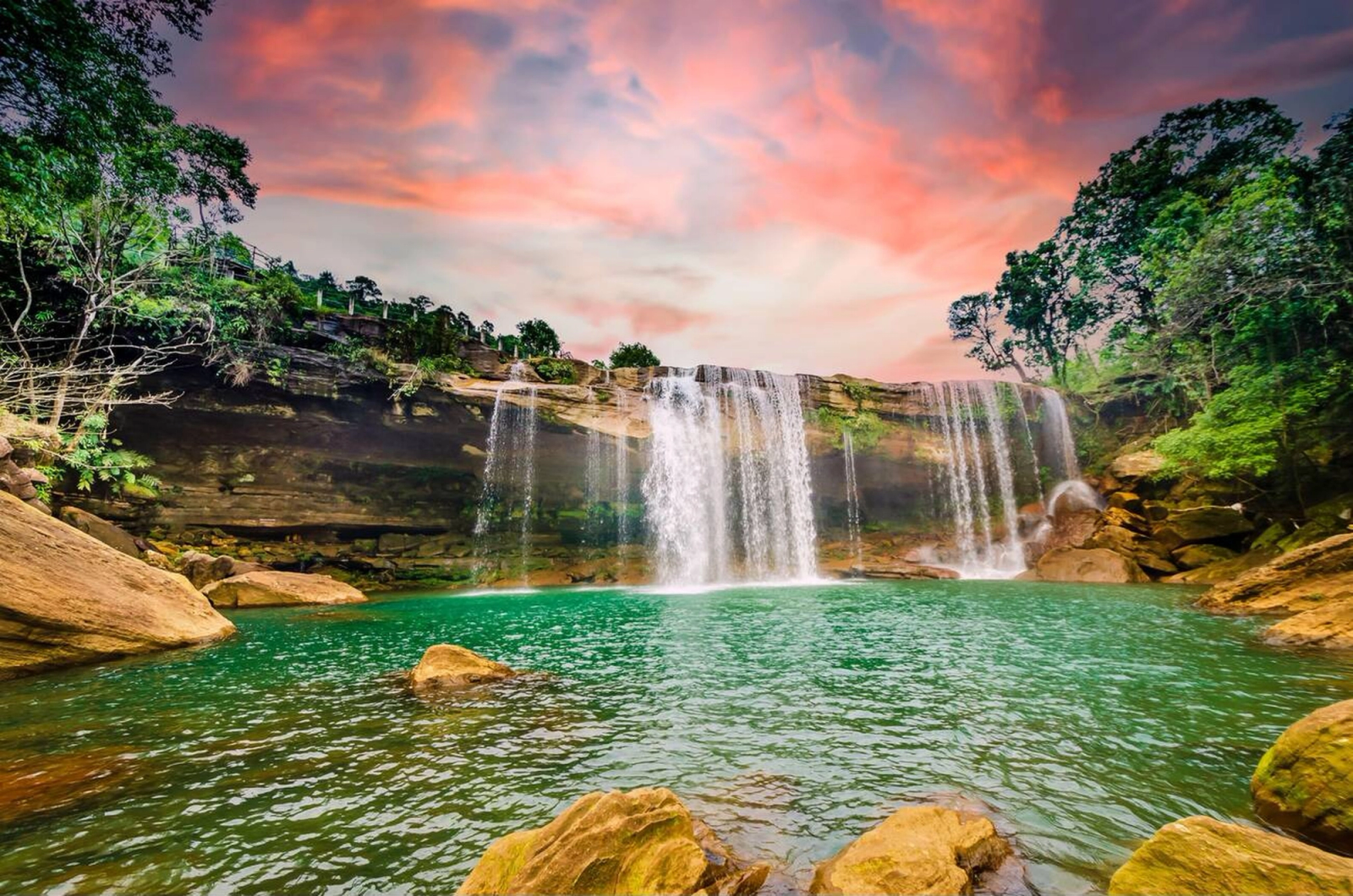
Cherrapunji Waterfalls & Caves
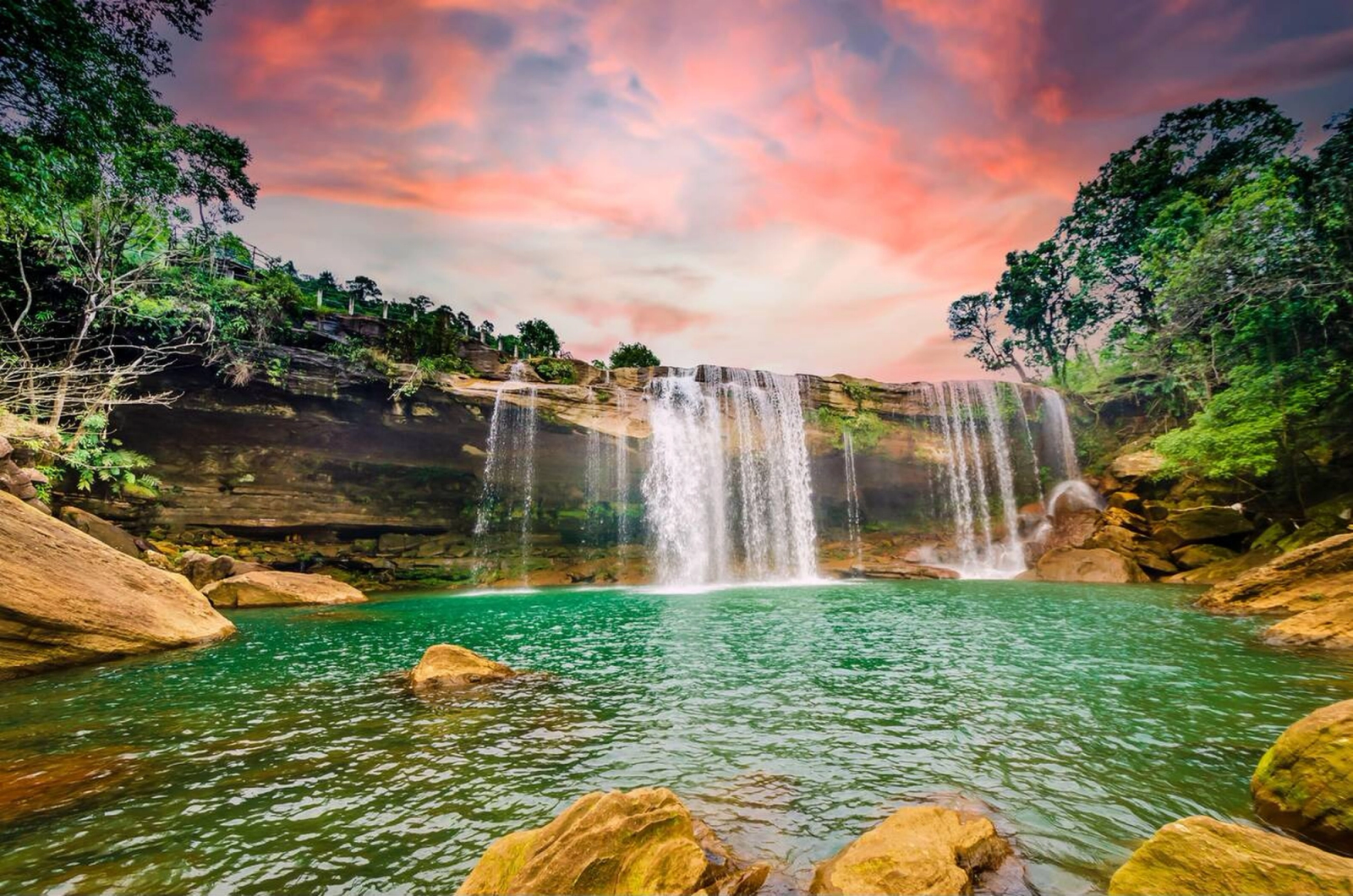
Witness the majesty of Nohkalikai Falls, Seven Sisters Falls, and dramatic limestone formations in Sohra.
No. 03
Maa Kamakhya Shaktipeeth Express Darshan
Receive VIP blessings at one of India’s most revered ancient Tantric Shakti shrines atop Nilachal Hill overlooking Guwahati.
Day by Day
5 Nights / 6 Days, in order
Day 1
Arrival Guwahati — Hill Drive to Shillong Via Umiam Lake
Arrive at Guwahati Airport/Station and transfer into the pine-clad hills of Shillong. Stop at scenic Umiam Lake. Check in at your Shillong hotel with an evening at leisure.
Day 2
Cherrapunjee (Sohra) Excursion: Caves & Nohkalikai Falls
Excursion to the wettest plateau on Earth. Visit Laitlum Canyons, Arwah Cave, Seven Sisters Falls, and Nohkalikai Falls. Return to Shillong for dinner.
Day 3
Shillong to Kaziranga National Park
Early morning drive descending from Meghalaya into the lush tea-garden plains of Assam. En-route stop at Maha Mrityunjay Temple. Arrive at Kaziranga and check in to your nature resort.
Day 4
Kaziranga Elephant Safari, Jeep Safari & Orchid Park
Early morning elephant-back safari into the tall elephant grass to approach wild Rhinos and swamp deer closely. Return for breakfast. Afternoon open 4x4 Jeep Safari through deep jungle trails and a visit to Kaziranga Orchid & Biodiversity Park.
Day 5
Kaziranga to Guwahati — Brahmaputra River Sunset
Scenic highway drive following the Brahmaputra River into Guwahati. Check in at your hotel. In the evening, enjoy an optional golden sunset cruise on the Brahmaputra.
Day 6
Maa Kamakhya Temple Darshan — Departure
Morning visit with express VIP tickets to sacred Kamakhya Temple. In-time transfer to Guwahati Airport or Railway Station for onward journey.
Where You'll Stay
Hand-Picked Hotels
Shillong
Hotel on request
Kaziranga
Hotel on request
Guwahati
Hotel on request
Shillong
Hotel on request
Kaziranga
Hotel on request
Guwahati
Hotel on request
Honestly
Things most travel sites won't tell you.
On-the-ground details your designer wishes every guest knew before they landed.
Things to Look Out For
India is not one country, climate-wise
Rajasthan in February reads dry-cold; Kerala in February reads humid-warm; Sikkim in February might be under snow. Pack for the specific itinerary, not 'India in general'. Tibro's per-state tours are tuned to one climate at a time. Don't try to chain three of them back-to-back.
Tipping is structured, not arbitrary
Driver tips at ₹500-1000 per day, guide tips at ₹500-1000 per half-day, hotel housekeeping ₹100 per day, restaurant 10% on top of any service charge already listed. Hand the driver/guide an envelope on the last day rather than tipping daily. It is more dignified for them.
Tap water and ice are a real consideration
Every Tibro-tier hotel provides sealed bottled water in the room daily. Use it for brushing your teeth too. At restaurants, ask for "sealed bottled water" specifically. Some places will pour from a filtered jug, which is fine in some kitchens and not in others. Ice is the hidden trap; ask for "no ice" with cold drinks unless the hotel makes its own.
- №1
India is not one country, climate-wise
Rajasthan in February reads dry-cold; Kerala in February reads humid-warm; Sikkim in February might be under snow. Pack for the specific itinerary, not 'India in general'. Tibro's per-state tours are tuned to one climate at a time. Don't try to chain three of them back-to-back.
- №2
Tipping is structured, not arbitrary
Driver tips at ₹500-1000 per day, guide tips at ₹500-1000 per half-day, hotel housekeeping ₹100 per day, restaurant 10% on top of any service charge already listed. Hand the driver/guide an envelope on the last day rather than tipping daily. It is more dignified for them.
- №3
Tap water and ice are a real consideration
Every Tibro-tier hotel provides sealed bottled water in the room daily. Use it for brushing your teeth too. At restaurants, ask for "sealed bottled water" specifically. Some places will pour from a filtered jug, which is fine in some kitchens and not in others. Ice is the hidden trap; ask for "no ice" with cold drinks unless the hotel makes its own.
The Details
What's Included
Included
- 5 nights luxury accommodation in twin-sharing rooms
- Daily breakfast and dinner throughout the journey
- Private dedicated AC vehicle for all transfers and inter-city routes
- One Elephant Safari and one Open Jeep Safari at Kaziranga National Park
- Express entry passes for Kamakhya Temple
Not Included
- 5% GST
- Airfare or train tickets
- Optional Brahmaputra sunset river cruise
Plan Your Timing
When to Go
India is too large for a single calendar, but three broad windows hold. October to March is the cool, dry season — the headline stretch for most of the subcontinent, from the Rajasthan forts to the Kerala backwaters. April to June is hot, and in the northern plains genuinely dangerous. July to September is the southwest monsoon.
The exceptions matter as much as the rule. The Himalayan high country — Ladakh, Spiti, upper Himachal — inverts it completely and is only open May to September. Kashmir peaks in summer, Sikkim in spring and autumn, and Tamil Nadu takes its rain from the northeast monsoon in October and November. Each itinerary carries its own regional calendar.
Enquire
Start the conversation.
Tell us your dates and preferences. A Tibro travel designer will respond within 24 hours.